A waste transfer note and a hazardous waste consignment note both document waste movements, but they serve different requirements. The starting point is the correct classification of the waste, not the choice of form.
For healthcare and sharps waste, infection risk, medicinal contamination and other hazardous properties can affect classification. Use official healthcare waste guidance rather than assuming all clinical-looking waste is hazardous.
The difference at a glance
| Document | General purpose |
|---|---|
| Waste transfer note | Records a transfer of non-hazardous controlled waste. |
| Hazardous waste consignment note | Documents a movement of hazardous waste under the applicable consignment rules. |
| Special waste consignment note | The corresponding terminology used for hazardous waste movements in Scotland. |
See GOV.UK transfer note guidance, hazardous consignment note guidance and NetRegs special waste guidance. Exceptions and specific arrangements can apply.
What is a waste transfer note?
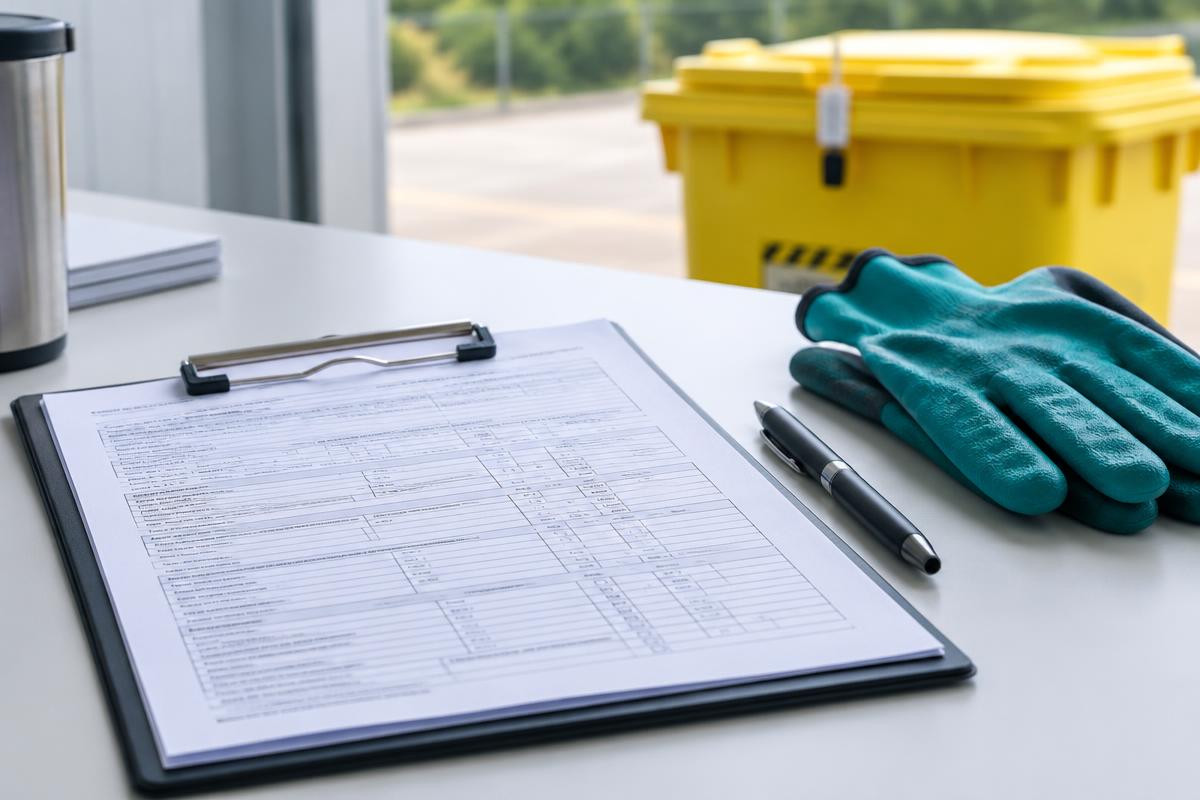
A waste transfer note records information about non-hazardous waste being passed from one holder to another. It describes the waste and the parties involved, helping document the duty of care chain. An invoice or other document can fulfil the requirement if it contains all the required information, according to GOV.UK.
Information includes a description, the appropriate waste code, how the waste is contained, its quantity, the transfer details and the parties’ details. The waste duty of care code of practice explains how to describe waste accurately and check that the recipient is authorised.
GOV.UK requires transfer notes to be kept for at least two years. Scotland’s duty of care code of practice also addresses transfer note records and retention. Keep the documentation accessible rather than relying on the collector alone.
What is a hazardous waste consignment note?
Hazardous waste generally needs consignment documentation when it moves. This records the waste description and classification, the producer or holder, the carrier and the receiving site. The relevant parties complete the appropriate sections as the movement progresses.
The Environment Agency’s supplementary guidance explains the note’s sections, consignment codes and particular movement arrangements. A non-hazardous waste transfer note is not a substitute when hazardous waste consignment requirements apply.
Producer recordkeeping requirements are not the same for every party involved. For England, GOV.UK’s hazardous waste record guidance specifies a producer register and retention requirements of three years for the relevant records. Check the applicable national guidance rather than applying one retention rule to every role.
England, Scotland and Wales: what changes?
England
Use the Environment Agency’s guidance for hazardous waste consignments and the duty of care rules for non-hazardous transfers. The GOV.UK hazardous waste overview is a practical starting point for producers.
Scotland
Hazardous waste is referred to as “special waste”. SEPA’s special waste rules govern the consignment process, including the required note and code arrangements. Consult NetRegs’ current Scottish guidance rather than reusing an English procedure without checking it.
Wales
Natural Resources Wales is the regulator. Check its waste guidance for Welsh hazardous waste movement and record requirements. Cross-border collections need particular care because the location and route can affect the process.
What information should you prepare?
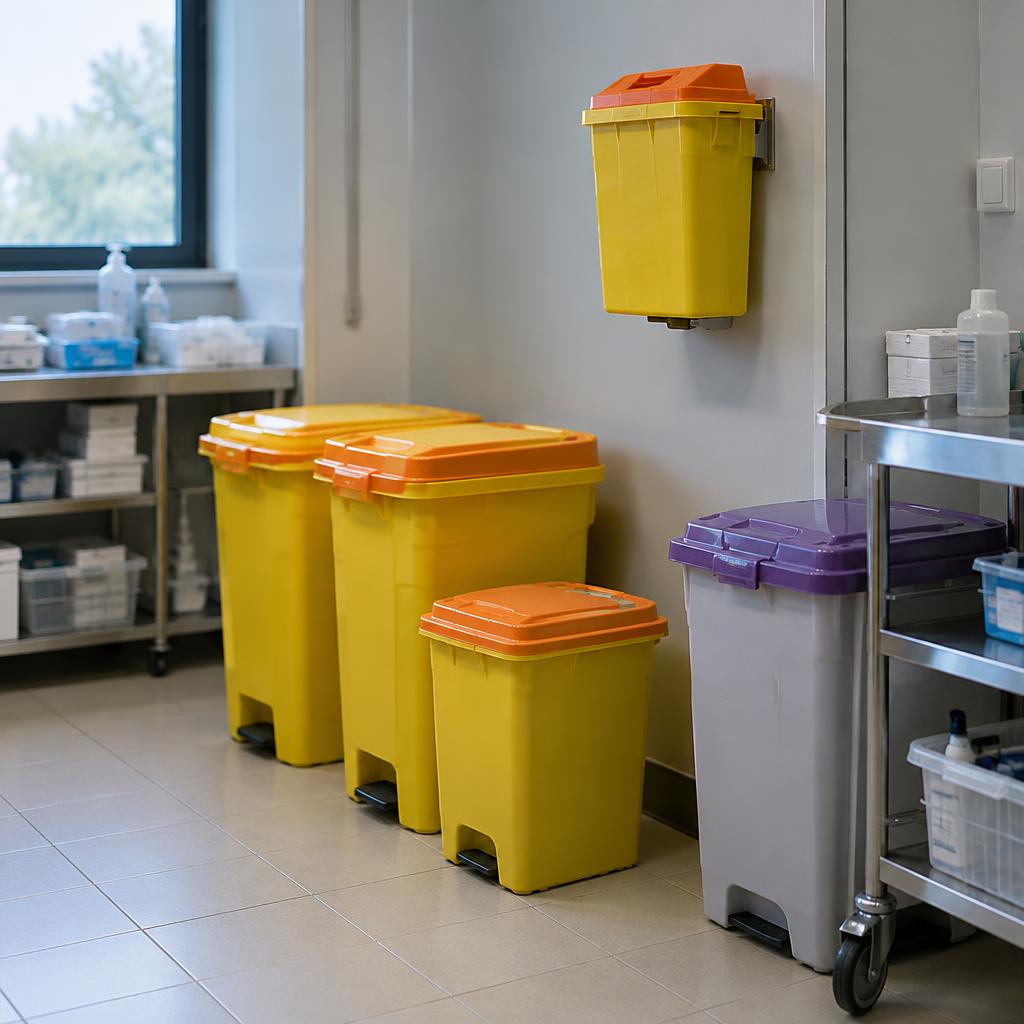
Prepare an accurate waste description, existing classification details, the quantity and packaging, the producer’s location and information about known hazards. For sharps, identify any medicinal or chemical contamination rather than relying on the bin lid colour.
Do not invent a code to complete a form. If the classification is uncertain, consult WM3 technical guidance and obtain suitable advice before the movement is agreed.
Confirm the paperwork before collection
Our collection process starts with assessment, followed by acceptance, quote and date confirmation. The required paperwork should be confirmed as part of those arrangements; submitting an enquiry does not book a collection.
Use the Contact Us enquiry form to describe your waste and any existing documentation. Do not include patient records or unnecessary medical information. Waste acceptance is subject to the licensed disposal site and regulatory requirements.
This article is for general information only and does not constitute professional, legal or hazardous waste advice. Waste producers are legally responsible for correctly classifying their waste. For guidance on your specific waste, please contact our team.