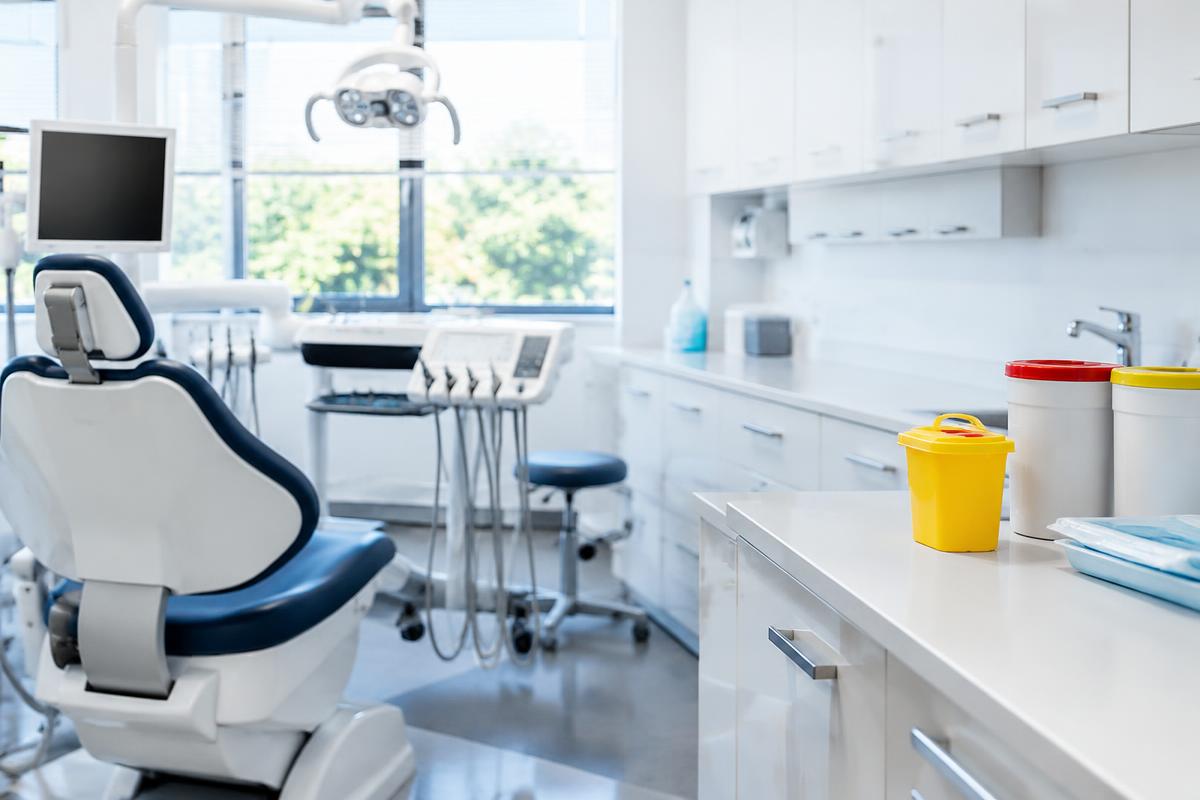
What rules apply to dental waste disposal? Dental practices produce several distinct waste streams, including amalgam, sharps, medicines, X-ray chemicals and gypsum. The Environment Agency lists amalgam waste from dental care as hazardous, and UK mercury law requires dental practitioners to have amalgam waste handled and collected by an authorised waste management establishment.
This article sets out what official sources say about each of these streams. It is written for dental practices and the organisations that manage them.
The article describes the position in England. Different rules apply in Scotland (Scottish Environment Protection Agency, SEPA), Wales (Natural Resources Wales) and Northern Ireland (Northern Ireland Environment Agency, NIEA).
Dental waste disposal: the streams in Environment Agency guidance
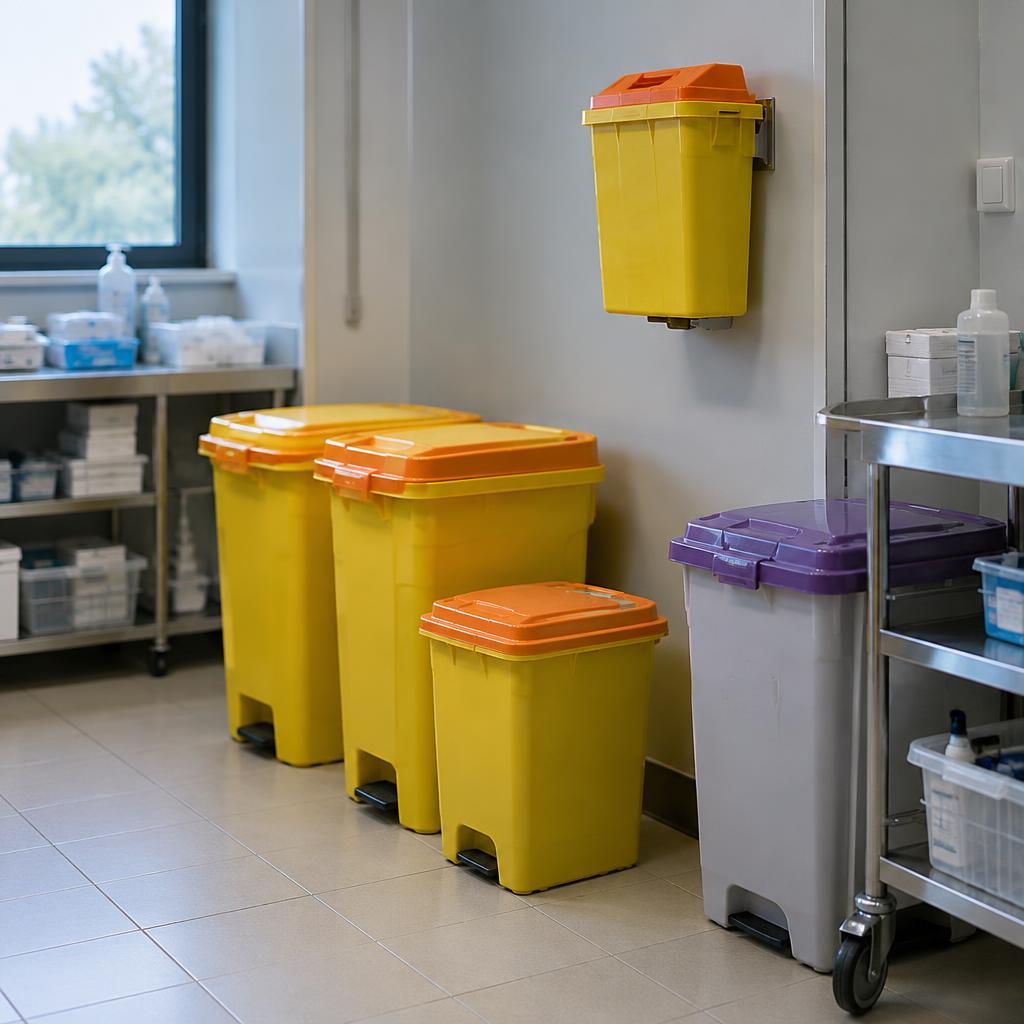
The Environment Agency's types of healthcare waste by packaging colour table includes several entries that relate directly to dental care, including amalgam waste, X-ray chemicals and gypsum. Check the table itself for the packaging and management activities listed for each entry.
Dental practices also produce streams that appear elsewhere in the same table, such as sharps, medicines and offensive waste. Each waste producer is legally responsible for classifying their own waste.
Dental amalgam and mercury law
Dental amalgam is regulated under Article 10 of the retained Mercury Regulation (Regulation (EU) 2017/852), which continues to apply in UK law. The article states that:
- from 1 January 2019, dental amalgam may only be used in pre-dosed encapsulated form
- from 1 July 2018, dental amalgam may not be used for deciduous (baby) teeth, for children under 15, or for pregnant or breastfeeding women, except when the dental practitioner deems it strictly necessary based on the patient's specific medical needs
- dental facilities that use amalgam or remove amalgam fillings must be equipped with amalgam separators, and from 1 January 2021 all separators in use must retain at least 95% of amalgam particles
- separators must be maintained in accordance with the manufacturer's instructions
- dental practitioners must ensure that their amalgam waste, including residues, particles and fillings, and teeth or parts of teeth contaminated by amalgam, is handled and collected by an authorised waste management establishment or undertaking
- dental practitioners must not release amalgam waste into the environment, directly or indirectly
The Department of Health and Social Care published a national plan to phase down the use of dental amalgam in England in June 2019, as required by the same regulation. Different arrangements for dental amalgam apply in Northern Ireland.
Sharps and medicines in dental practices
The Environment Agency's healthcare waste classification guidance states that sharps waste is hazardous, with the classification depending on whether it is contaminated with cytotoxic medicines, other medicines or neither. It also states that medicines other than cytotoxic and cytostatic medicines are non-hazardous. Our guide to sharps bin colours explains the related container streams.
Under that guidance, items such as needles and local anaesthetic cartridges are classified according to their contamination. Where the position for a particular item is unclear, our team can talk through the details.
Offensive waste in dental practices
The Environment Agency guidance defines offensive waste as non-clinical waste that is non-infectious and does not contain pharmaceutical or chemical substances. Its examples of healthcare offensive waste include protective clothing, such as masks, gowns and gloves, contaminated with body fluids.
The guidance classes healthcare offensive waste as non-hazardous, and the Environment Agency's packaging table lists it under yellow and black striped packaging.
Sources
- Environment Agency: Types of healthcare waste by packaging colour
- legislation.gov.uk: Regulation (EU) 2017/852 on mercury, Article 10
- GOV.UK: Dental amalgam: plan to phase down use in England
- GOV.UK: Healthcare and related wastes: how to classify
Speak to our team
We arrange UK-wide collections for dental practices, including sharps bins, unused sharps and medical stock and pharmaceutical waste. We do not advertise confirmed collection acceptance for amalgam or X-ray chemical waste, so please include these in your enquiry and our team will check the receiving site's requirements. Contact our team to arrange a collection or discuss your sharps and medical waste. Acceptance is subject to the licensed disposal site and regulatory requirements.
This article is for general information only and does not constitute professional, legal or hazardous waste advice. Waste producers are legally responsible for correctly classifying their waste. For guidance on your specific waste, please contact our team.